

Hair loss is something that women of all age groups often have to deal with. While shedding a couple of strands on a daily basis is fine, it is the more significant and visible issues like thinning hair and loss of hair density that tend to negatively impact a person’s self-esteem and appearance. Understanding what is causing hair to thin, shed, and lose its luster can help to regain hair health.
Persistent hair loss should be addressed. Hair loss solutions can vary based on a person’s individual needs. Thankfully, more women than ever are now better able to manage their hair loss. The reasons and treatments for hair loss are many. In this article, we cover how to determine why women lose their hair and the various ways to combat it.
When Is It Time for Women to See Specialists for Treatment of Hair Loss?
Hair shedding is a natural process, but certain symptoms can show that you have a disease that should be diagnosed by specialists.
It might be time to seek professional advice if you have:
– Unusual hair shedding.
– Thinning at the crown area.
– Enlarged parting of the hair.
– Bald spots on the head.
– Constant itching or irritation of the scalp.
– Hair loss combined with changes in hormones.
Early treatment will help you determine the reason for hair loss and avoid late treatment.
Causes of Female Hair Loss
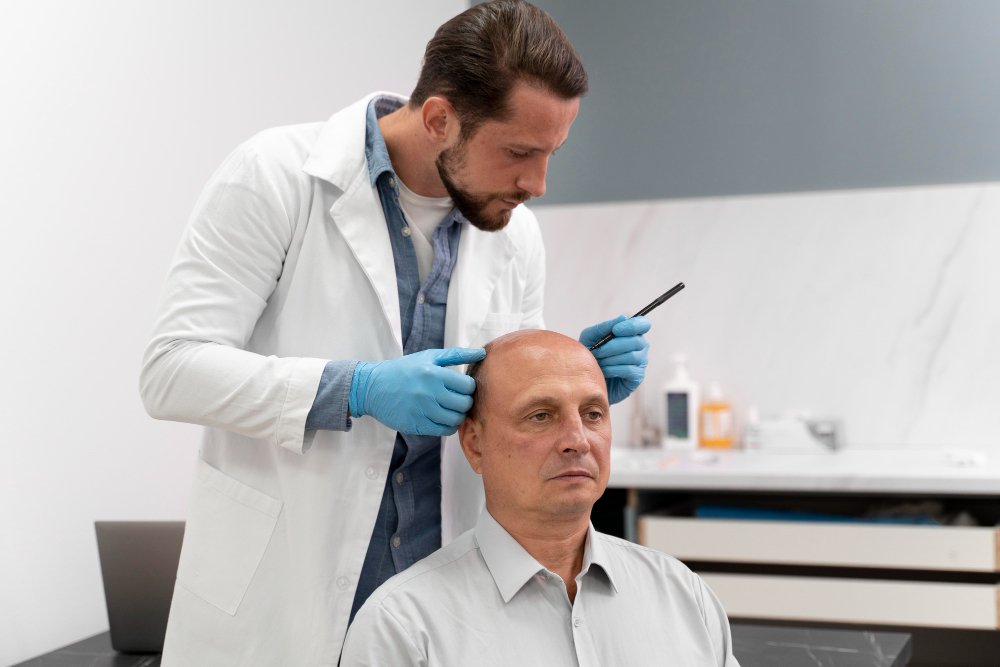
In many cases, the cause of female hair loss can be tricky to determine. That’s where the services of a medical professional come in. For example, knowing what exactly is causing your hair loss can save you time, money, and frustration when you start looking into possible solutions.
The following is a breakdown of several factors which can lead to thinning hair and hair loss in women.
1. Hormonal Changes
Hair growth is one of the many processes that change along with the level of hormones. Hair can be especially susceptible to changing hormonal levels throughout all of the various phases in life. This includes pregnancy, the years leading up to, and including, the transition through menopause, as well as an imbalanced thyroid. In some cases, polycystic ovary syndrome, or PCOS, may lead to hair thinning.
Medical professionals are well suited to help you identify hormonal causes. In most cases, finding and managing your hormone levels with a doctor is your best option.
2. Nutritional Deficiencies
A lack of important nutrients including protein, zinc, iron, and vitamin D can weaken the follicles and lead to the growth of weaker hair. This can further result in the thinning of hair.
Additionally, eating diets and patterns that restrict nutrients can affect the growth and appearance of your hair. Having an overall good, healthy diet can help your hair to grow.
3. Stress and Lifestyle Factors
Strenuous lifestyle habits and emotional stress can throw the cycle of hair growth out of order. It causes many women to shed more hair as late as weeks or months after a stressful incident.
Some factors like not getting enough sleep and eating badly as well as over-treating the hair chemically also have negative effects on hair strength.
4. Genetic Hair Loss
There is a hereditary hair thinning condition in women known as female pattern hair loss that slowly causes hair density to be lost.
While we are not in control of some factors that contribute to hair loss, we can detect hair thinning earlier on.
Hair Care Tips and Prevention of Hair Falling Off
Professional treatment can be complemented with healthy everyday routines to improve the condition of your hair.
– Eat healthy food rich in vitamins, minerals, and proteins.
– Limit exposure of your hair to heat styling and chemicals.
– Use hair care products that match your scalp type.
– Practice stress-reducing activities like sports or sleep enough.
– Do not tie your hair tightly to avoid hair root strain.
– Stick to your dermatologist’s advice.
Female Hair Loss Treatment Options Available In Dubai
There are many ways to approach hair loss in women. The methods vary depending on the patient’s medical history and the severity of the hair loss, and the reason for the hair loss.
1. PRP Hair Treatment
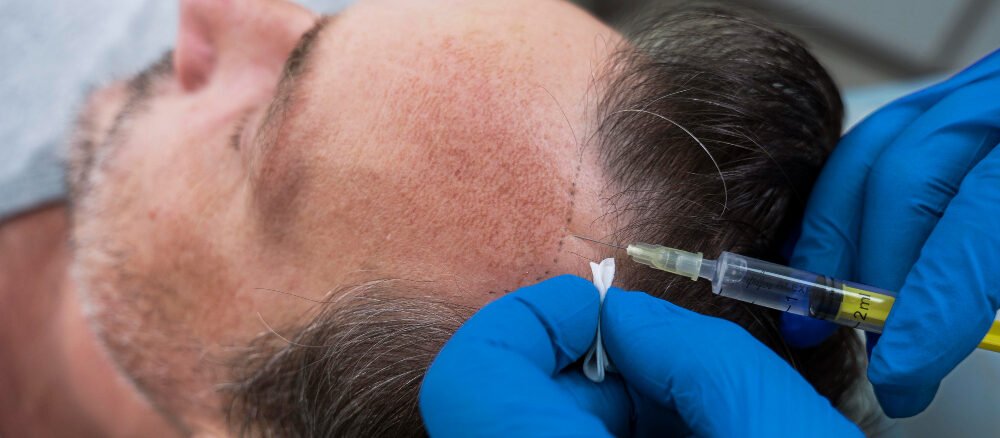
Platelet-Rich Plasma (PRP) therapy is one of the ways to address hair loss that does not require surgery. It takes blood from the patient to get the platelet-rich portion of the blood to put in different areas of the scalp.
In the right patients, it has been shown to support growth and thickening of hair in that area. Also, unlike surgical procedures, the downtime for the patient is very low.
2. Medical Hair Loss Treatments
It’s typical for dermatologists to suggest treatments involving oral medications or applications to manage hair loss. Minoxidil is used for this in instances of female pattern hair loss.
However, suitability for treatment will vary depending on an individual’s condition. Professional advice is necessary prior to treatment using any medications.
3. Nutritional Treatment
If nutritional deficiency is the reason for hair loss, correcting it may help grow healthier hair. In such cases, a doctor may advise a blood test to identify any deficiency and make the necessary recommendations for nutrition and dietary supplements.
Also, having a proper protein-based diet and living a healthy lifestyle may help keep your hair healthy.
4. Hair Transplant in Dubai
Women suffering from severe thinning and loss of hair may consider Hair Transplant in Dubai as an option.
During this procedure, healthy hair follicles are transplanted from donor sites into low-density hair areas. Not all women are eligible for this type of surgery, which requires an evaluation of the underlying causes of hair loss and available donor hair.
Conclusion
Women can suffer hair loss due to various reasons like hormonal imbalance, nutritional deficiency, stress, genetics, and some medical issues. Fortunately, there are a number of treatment methods for hair thinning among other hair health problems.
Proper selection of Hair Loss Treatment in Dubai begins with knowing what causes this problem. It may require either PRP therapy, medication, nutrition, or any appropriate hair restoration procedure that may benefit significantly from professional consultation.
Aside from hair treatments, there are a variety of other beauty and health services offered by special clinics in Dubai, such as Acne Scar Treatment in Dubai, Hollywood Smile in Dubai, and Skin Tightening in Dubai. In addition to the above mentioned, IVF Treatment in Dubai and Weight Loss Treatment in Dubai are among others healthcare services.
FAQs
Common causes include hormonal changes, nutritional deficiencies, stress, genetics, thyroid disorders, and certain medical conditions.
Yes. Hormonal changes associated with PCOS, pregnancy, childbirth, menopause, and thyroid disorders can contribute to excessive hair shedding.
You should consult a dermatologist if you experience sudden hair shedding, visible scalp thinning, bald patches, or persistent hair loss.
Maintaining a balanced diet, managing stress, avoiding excessive heat styling, using suitable hair care products, and seeking early medical advice can help maintain healthy hair.