


For many people trying to conceive, understanding the available fertility treatment options is an important first step. In vitro fertilisation (IVF) is one of the established forms of assisted reproductive technology in which eggs are fertilised with sperm in a laboratory and a resulting embryo is transferred to the uterus.
The IVF journey can involve several stages, including fertility assessment, ovarian stimulation, monitoring, egg retrieval, fertilisation, embryo development, embryo transfer and pregnancy testing. The exact protocol can vary according to the individual’s circumstances and the fertility clinic’s treatment plan.
If you are researching IVF Treatment in Dubai, knowing what happens at each stage can make the process easier to understand and can help you prepare for a consultation with a fertility specialist.
This guide explains the IVF process, who may be considered for treatment, what preparation can involve, factors that may influence outcomes, potential risks and common questions patients ask before starting IVF.
What Is IVF?
IVF stands for in vitro fertilisation.
In simple terms, eggs are collected from the ovaries and combined with sperm in a laboratory. If fertilisation occurs and embryos develop, an embryo can subsequently be transferred into the uterus.
IVF is not a single procedure. It is a treatment process made up of several stages.
Depending on the treatment plan, a cycle may include:
Initial fertility assessment
Hormonal and other investigations
Ovarian stimulation
Ultrasound and blood-test monitoring
Egg retrieval
Sperm collection and preparation
Fertilisation
Embryo culture
Embryo transfer
Pregnancy testing
A typical IVF cycle can take several weeks, although the precise timeline varies depending on the protocol used. The NHS describes a full IVF cycle as taking around 3 to 6 weeks in many cases.
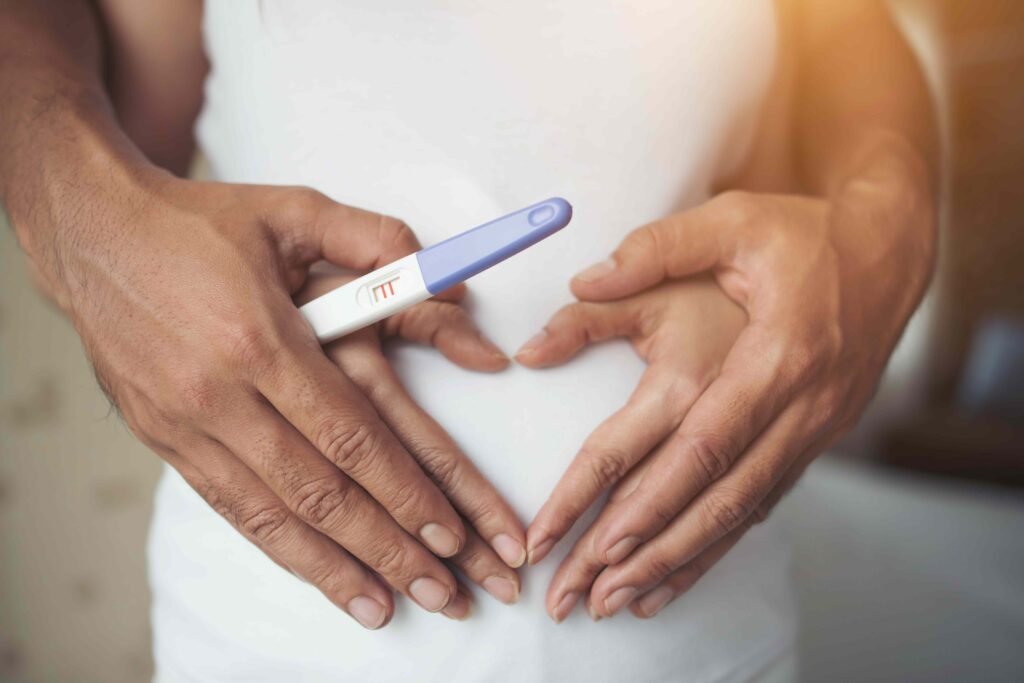
Why Is IVF Treatment Used?
IVF may be considered when pregnancy has not occurred naturally or when other fertility treatments have not been successful.There can be many different reasons for fertility difficulties.These may include, Problems with ovulation, Blocked or damaged fallopian tubes, Endometriosis,Certain sperm-related fertility problems, Unexplained infertility, Age-related fertility factors,Previous unsuccessful fertility treatments
Who May Be Considered for IVF?
There is no single set of circumstances that applies to everyone who undergoes IVF.
A fertility specialist may consider factors such as:
- Age
- Duration of infertility
- Ovarian reserve
- Ovulation
- Fallopian tube condition
- Sperm quality
- Previous pregnancies
- Previous fertility treatments
- Medical history
- Previous IVF cycles
- Overall reproductive health
The underlying cause of infertility can influence the recommended treatment.
For example, a person with blocked fallopian tubes may have a different treatment pathway from someone experiencing ovulation problems or male-factor infertility.
This is why an individual fertility assessment is an important part of the IVF journey.
IVF Consultation in Dubai
A consultation with a fertility specialist is an opportunity to understand your individual situation before starting treatment.
During an IVF consultation, you may want to discuss:
- Why IVF has been recommended
- Whether alternative fertility treatments are available
- Which IVF protocol may be appropriate
- What investigations are required
- How long treatment may take
- How medications are administered
- What monitoring will be required
- Potential risks
- Expected costs
- Embryo freezing options
- Follow-up arrangements
You should also provide accurate information about previous fertility treatment, medications, medical conditions and previous pregnancies.
The more complete the medical history, the easier it is for the fertility team to plan an appropriate treatment approach.
Step 1: Preparing for the IVF Cycle
The exact preparation before IVF varies.
Some treatment protocols use medication to control the timing of the menstrual cycle before ovarian stimulation begins.
The NHS explains that some patients may receive medication before IVF to help the fertility team begin fertility medicines at the appropriate time.
Your fertility specialist will explain which medications are being used and why they have been selected.
It is important to follow the prescribed medication schedule carefully.
Step 2: Ovarian Stimulation
During a natural menstrual cycle, usually one egg becomes available for ovulation.
During IVF, medication is used to stimulate the ovaries so that multiple follicles can develop.
The purpose is to obtain multiple eggs rather than relying on a single naturally occurring egg.
The medication schedule varies between patients and protocols.
Monitoring is an important part of this stage.
Ultrasound scans and, where appropriate, blood tests are used to monitor the response of the ovaries.
The NHS describes ovarian stimulation as involving fertility medicines followed by monitoring to assess how the ovaries are responding.
Step 3: Egg Retrieval
Once the follicles have developed appropriately, medication is given to prepare the eggs for retrieval.
Egg collection is generally performed using a needle guided through the vagina toward the ovaries, with ultrasound guidance.
The eggs are then collected and transferred to the embryology laboratory.
The NHS describes egg collection as a procedure in which a needle is used to collect eggs from the ovaries, with medication used to make the procedure more comfortable.
The exact method of sedation or anaesthesia depends on the clinic and individual circumstances.
Your fertility team should explain what will happen before the procedure.
Step 4: Sperm Collection and Preparation
Sperm may be collected from the male partner or obtained through another medically appropriate source depending on the treatment plan.
The sperm sample is prepared in the laboratory.
The purpose is to select and prepare sperm for fertilisation.
The NHS describes sperm collection and laboratory preparation as part of the IVF process.
If there are known sperm-related fertility concerns, your fertility specialist may discuss additional laboratory techniques or treatment options.
Step 5: Fertilisation
After egg retrieval, the eggs are combined with sperm in the laboratory.
If fertilisation occurs, the resulting fertilised eggs can continue developing into embryos.
The laboratory team monitors embryo development during the following days.
Not every retrieved egg will necessarily fertilise, and not every fertilised egg will continue developing into an embryo suitable for transfer.
This is a normal part of the biological process and is one reason fertility treatment outcomes cannot be predicted simply from the number of eggs collected.
The American Society for Reproductive Medicine explains that not all eggs fertilise and that not all fertilised eggs continue developing to the blastocyst stage.
Step 6: Embryo Development
After fertilisation, embryos are cultured in the laboratory.
The embryology team observes their development and assesses them according to the laboratory’s established procedures.
Some embryos may continue developing to the blastocyst stage.
The American Society for Reproductive Medicine notes that approximately 70% of mature eggs fertilise in typical IVF processes and that approximately half of fertilised eggs continue developing to the blastocyst stage, although individual results vary.
These figures should not be interpreted as a prediction for an individual patient.
Age, egg and sperm characteristics, reproductive health and laboratory factors can all influence development.
Step 7: Embryo Transfer
Embryo transfer is the stage in which an embryo is placed into the uterus.
A thin catheter is passed through the cervix and used to place the embryo in the uterine cavity.
The procedure is an important part of IVF.
The American Society for Reproductive Medicine identifies embryo transfer as a critical step in the IVF process and provides evidence-based guidance for performing the procedure.
The decision regarding how many embryos to transfer should be made carefully with the fertility team.
Current reproductive medicine practice commonly emphasizes single-embryo transfer in appropriate circumstances because multiple pregnancies can increase pregnancy-related risks.
Your fertility specialist will discuss the appropriate approach based on your circumstances.
Step 8: Pregnancy Testing
After embryo transfer, you will be given instructions about when to perform the pregnancy test.
Testing too early can produce an unclear or misleading result.
The NHS notes that a pregnancy test is generally scheduled after embryo transfer and that the clinic will provide the appropriate date.
If the result is positive, the fertility team may arrange further monitoring and an ultrasound scan to confirm the pregnancy and assess early development.
What Are the Risks of IVF?
IVF is an established medical treatment, but it is not completely free of risks.
Possible risks can include:
- Ovarian hyperstimulation syndrome (OHSS)
- Multiple pregnancy
- Ectopic pregnancy
- Procedure-related complications
- Medication side effects
The NHS identifies OHSS, multiple pregnancy and ectopic pregnancy among possible complications associated with IVF.
ASRM also notes that medications used to stimulate egg production can increase the risk of OHSS and that IVF pregnancies may require additional monitoring depending on individual circumstances.
Your fertility specialist should explain the risks that are relevant to your particular treatment.
Why Can IVF Result in Multiple Pregnancy?
If more than one embryo is transferred, there is a possibility of a multiple pregnancy.
Multiple pregnancies can carry greater risks for both the pregnant patient and babies.
Modern reproductive medicine therefore places significant emphasis on appropriate embryo-transfer strategies.
ASRM states that elective single-embryo transfer is recommended in appropriate circumstances to increase the possibility of singleton, healthy, term births while reducing multiple pregnancies.
The number of embryos transferred should be discussed individually with your fertility specialist.
How Much Does IVF Treatment in Dubai Cost?
The cost of IVF Treatment in Dubai can vary considerably.
Factors that may affect the total cost include:
- Initial consultations
- Diagnostic testing
- Fertility medications
- Monitoring
- Egg retrieval
- Laboratory procedures
- ICSI, where indicated
- Embryo culture
- Embryo transfer
- Embryo freezing
- Embryo storage
- Additional procedures
For this reason, patients should ask clinics for a clear explanation of what is included in a quoted treatment package.
Instead of comparing only the advertised starting price, ask for a breakdown of potential costs throughout the treatment process.
What Happens Before IVF Treatment?
Before beginning an IVF cycle, the fertility team generally carries out an assessment to understand the individual’s reproductive health and determine an appropriate treatment plan.
Depending on the circumstances, this may involve:
- Medical history
- Fertility history
- Physical examination
- Blood tests
- Hormonal investigations
- Ultrasound scans
- Ovarian reserve assessment
- Semen analysis
- Assessment of the uterus and reproductive organs
The specific tests required can vary.
The NHS notes that patients may undergo blood tests before IVF and that doctors should discuss the medicines, procedures, benefits and risks involved before treatment begins.
This initial stage is important because IVF protocols are not identical for every patient.
Why Is Monitoring Important During IVF?
Ovarian stimulation needs to be monitored carefully.
The fertility team needs to assess follicle development and determine when the eggs are sufficiently mature for retrieval.
Monitoring can help the clinical team adjust treatment where necessary and identify situations in which the ovaries are responding more strongly or less strongly than expected.
This is one reason IVF should be managed under appropriate medical supervision rather than treated as a simple medication-based procedure.
What Is ICSI?
In some IVF treatment plans, the fertility team may recommend intracytoplasmic sperm injection (ICSI).
ICSI is a laboratory technique in which a single sperm is injected directly into an egg.
Whether ICSI is appropriate depends on the individual fertility circumstances and laboratory assessment.
It should not automatically be assumed that ICSI is necessary for every IVF patient.
Your fertility specialist or embryologist can explain whether it is appropriate in your particular situation.
What Happens to Remaining Embryos?
If additional suitable embryos remain after the treatment plan has been completed, they may be frozen for future use where appropriate.
Frozen embryos can potentially be used in a later treatment cycle without requiring another egg-retrieval procedure.
The NHS notes that suitable remaining embryos may be frozen for future IVF attempts, with the clinic discussing storage arrangements and associated costs.
The exact options depend on the clinical circumstances, laboratory policies and applicable regulations.
What Factors Can Affect IVF Outcomes?
One of the most common questions patients ask is whether IVF will work on the first attempt.
There is no universal answer.
IVF outcomes can vary considerably between individuals.
Factors can include:
- Age
- Cause of infertility
- Ovarian reserve
- Egg quality
- Sperm factors
- Embryo development
- Uterine factors
- Previous pregnancy history
- Medical conditions
- Lifestyle factors
- Treatment protocol
The NHS specifically identifies factors such as the cause of fertility problems, age, BMI and lifestyle factors as considerations that can affect IVF outcomes.
It is therefore important to avoid interpreting another person’s IVF experience as a prediction of your own outcome.
Does Age Matter in IVF?
Age is one of the factors considered when assessing fertility and IVF outcomes.
Female fertility generally changes with age, including changes in egg quantity and quality.
However, age should not be considered in isolation.
A fertility specialist may also evaluate ovarian reserve, reproductive history, sperm factors, medical history and other circumstances.
Your specialist can explain how these factors may affect your individual treatment plan.
How Can You Prepare for IVF?
Preparation can involve both practical and medical considerations.
Before beginning treatment:
Understand Your Treatment Plan
Ask your fertility team to explain:
- Medication schedule
- Monitoring appointments
- Egg retrieval
- Laboratory procedures
- Embryo transfer
- Pregnancy testing
Take Medication as Prescribed
IVF medications often need to be taken according to a specific schedule.
If you miss a dose or are uncertain about medication instructions, contact your fertility clinic rather than changing the schedule yourself.
Attend Monitoring Appointments
Monitoring allows your clinical team to evaluate your response to treatment.
Do not skip appointments unless you have spoken with your clinic.
Review Your Existing Medication
Tell your fertility specialist about all medications and supplements you take.
Do not start or stop medication without discussing it with your healthcare professional.
Lifestyle Considerations During IVF
Lifestyle is one part of overall reproductive health.
Your fertility team may discuss factors such as:
- Smoking
- Alcohol consumption
- Weight
- Physical activity
- Nutrition
- Sleep
- Existing medical conditions
The NHS identifies lifestyle factors, including smoking and alcohol consumption, among factors associated with IVF outcomes.
However, lifestyle changes should not be presented as a guarantee of IVF success.
Fertility is complex, and many factors are outside an individual’s control.
Can Stress Affect IVF?
IVF can be emotionally demanding.
Appointments, medications, uncertainty and waiting for results can all create stress.
It is important to recognize that emotional wellbeing is part of the overall fertility journey.
Consider seeking support from:
- Your partner
- Family or trusted friends
- Your fertility team
- A qualified counsellor
- A fertility support group
Stress should not be presented as something that a patient is personally responsible for when an IVF cycle does not result in pregnancy.
IVF outcomes are influenced by many biological and clinical factors.
What Is Ovarian Hyperstimulation Syndrome?
Ovarian hyperstimulation syndrome, commonly called OHSS, can occur when the ovaries respond excessively to fertility medication.
Symptoms can vary in severity.
Possible symptoms can include:
- Abdominal pain
- Abdominal bloating
- Nausea
- Vomiting
- Feeling faint
- Other symptoms requiring medical assessment
The NHS advises patients undergoing IVF to contact their fertility clinic if they develop symptoms such as significant abdominal pain and bloating, vomiting or feeling faint.
Severe symptoms can require urgent medical attention.
Your fertility team should explain what symptoms to monitor during treatment and whom to contact if you have concerns.
How Long Does an IVF Cycle Take?
The timeline varies according to the treatment protocol.
The NHS states that a full IVF cycle can take around 3 to 6 weeks.
However, preparation before the cycle and additional procedures can make the overall fertility journey longer.
Your clinic should provide a treatment calendar explaining:
- Medication start date
- Monitoring dates
- Expected egg retrieval
- Fertilisation and embryo development
- Expected embryo transfer
- Pregnancy-test date
Having a clear timeline can make the process easier to manage.
Questions to Ask Before Starting IVF Treatment in Dubai
Before beginning treatment, consider asking your fertility specialist:
About Your Diagnosis
- What may be contributing to our fertility difficulties?
- What tests have been recommended?
- Are there alternative treatment options?
About IVF
- Why is IVF being recommended?
- Which IVF protocol is appropriate?
- How long will the cycle take?
- What medications will I need?
About the Laboratory
- How are the eggs and embryos handled?
- How long will embryos be cultured?
- What happens to suitable remaining embryos?
About Embryo Transfer
- How many embryos are likely to be transferred?
- Why is that number recommended?
- Will a frozen embryo transfer be an option later?
About Costs
- What is included in the treatment cost?
- Are medications included?
- Are laboratory procedures included?
- What additional costs could arise?
About Risks
- What side effects should I expect?
- What symptoms require urgent attention?
- Who should I contact outside clinic hours?
Getting clear answers before treatment can help you understand the process and make informed decisions.
IVF Treatment in Dubai at Lakeshore Clinic
If you are considering IVF Treatment in Dubai, a fertility consultation is an important starting point.
At Lakeshore Clinic, the fertility journey can begin with an assessment of your individual circumstances, reproductive history and fertility concerns.
Depending on the findings, your fertility specialist can discuss appropriate treatment options and explain what may be involved.
An IVF treatment plan may include:
Initial consultation
Fertility assessment
Recommended investigations
Treatment planning
Ovarian stimulation
Monitoring
Egg retrieval
Laboratory fertilisation
Embryo development
Embryo transfer
Pregnancy follow-up
The exact treatment pathway will depend on your individual clinical situation.
IVF should not be approached as a guaranteed solution or as a treatment that follows exactly the same protocol for every patient. A personalized assessment is important because fertility causes and treatment responses vary.
If you are researching IVF Treatment in Dubai, speak with a qualified fertility professional to understand whether IVF is appropriate for you and what treatment options may be available.
FAQs
IVF stands for in vitro fertilisation. It is a fertility treatment in which eggs are fertilised with sperm in a laboratory and an embryo may subsequently be transferred into the uterus.
No. IVF is not automatically appropriate for every person experiencing fertility difficulties. A fertility specialist should assess the underlying circumstances and discuss suitable treatment options.
The main stages include fertility assessment, ovarian stimulation, monitoring, egg retrieval, sperm collection, fertilisation, embryo development, embryo transfer and pregnancy testing.
The experience varies. Some stages involve injections, monitoring and an egg-retrieval procedure. Your fertility team can explain what discomfort or side effects you might experience and what measures are available to make procedures more comfortable.